

SERVICE OVERVIEW
Digital Simulation And Construction Planning
3D Rendering transforms technical drawings and conceptual ideas into immersive visual simulations that communicate scale, layout, and aesthetics. It allows early evaluation of wall placement, traffic flow, and spatial relationships before fabrication or installation. This process reduces costly design revisions and ensures alignment among stakeholders. By visualizing the finished facility digitally, teams can make informed decisions with confidence.
Core Functional Purpose
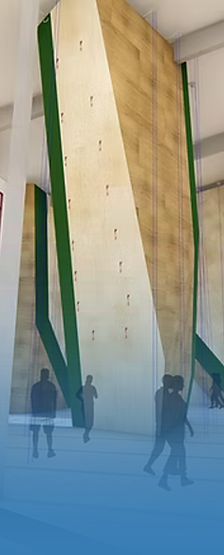
Transforms technical drawings into accurate digital environments that reveal scale, proportions, and user movement.
Spatial Visualization
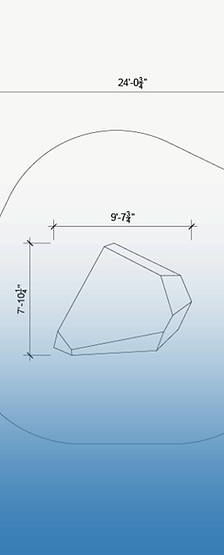
Allows adjustments to layout, wall angles, and program zones before fabrication begins.
Design Validation
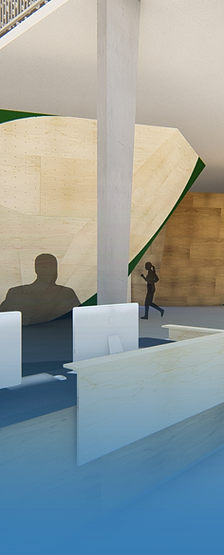
Provides investors and partners with clear visuals that simplify complex technical concepts.
Stakeholder Communication

Generates high-quality visuals that can support early branding and promotional efforts.
Marketing & Pre-Sales Support
WORK TIMELINE
See the Climb Before It Exists

01
Data Collection
Architectural drawings, engineering inputs, and program requirements are gathered to ensure modeling accuracy. This step guarantees that all elements are correctly represented digitally.

02
3D Model Development
3D geometry is constructed, representing wall angles, dimensions, and structural systems accurately. Precision at this stage ensures meaningful visual feedback.

03
Material & Lighting Simulation
Textures, finishes, and lighting are applied to achieve realistic renderings. This enhances spatial understanding and aesthetic evaluation for stakeholders.

04
Implementation & Installation
High-resolution images, animations, and walkthroughs are delivered for review. These assets also support presentations, investor materials, and marketing campaigns.
Visual Accuracy And Informed Planning
3D Rendering reduces risk and cost by identifying design conflicts early and aligning stakeholders on the intended experience. It provides clarity and precision that supports both technical and marketing decisions.

Design Confidence
Stakeholders gain a true-to-scale view of the climbing environment, ensuring proportions, circulation, and aesthetics meet expectations before fabrication.
Reduced Revisions
Digital evaluation detects conflicts or inefficiencies early, preventing expensive on-site modifications during construction or installation.
Communication Clarity
Visual simulations translate complex technical information into accessible, clear formats for all stakeholders, improving alignment and decision-making.